🌟 Welcome to VBR Products Hub – Your One-Stop Destination for Healthy Living & Lifestyle Essentials! 🌟

Understanding the Human Kidneys: The Ultimate Simple Guide to Kidney Function, Disease, and Health Protection
The human kidneys are two small, bean-shaped organs, but their importance in the body is massive. Most people do not think about their kidneys until something goes wrong. However, these organs work day and night to keep the body clean, balanced, healthy, and strong. Understanding how the kidneys function, what harms them, and how to protect them is essential for people of all ages. This article explains the kidneys in simple, clear English so anyone can understand their role.
KIDNEY HEALTH & DISEASE PREVENTION
sampath
11/22/20255 min read
Kidney Health / Renal Health
1. What Are the Kidneys?
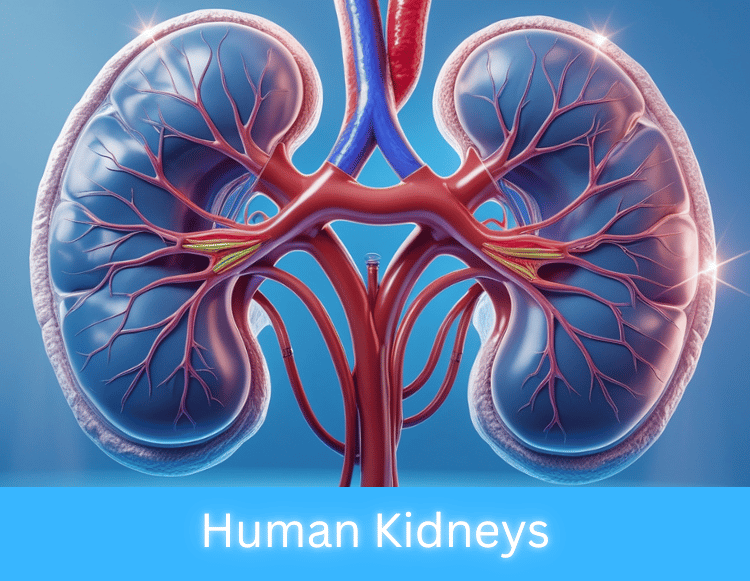
The kidneys are part of the urinary system and sit on both sides of the spine, just below the rib cage. Each kidney is about the size of a fist. They are made of millions of tiny filters called nephrons. These nephrons work like microscopic cleaning machines that remove waste from the blood.
Blood enters the kidneys, gets cleaned, and returns to the body. The waste and extra water removed by the kidneys become urine, which travels to the bladder and is removed from the body.
2. Why the Kidneys Are So Important
The kidneys perform many life-saving functions. Some people think they only make urine, but the kidneys actually support nearly every system in the body.
Key functions of the kidneys:-1. Removing Waste. The kidneys filter out toxins, extra water, chemicals, drugs, and leftover nutrients. Without this process, wastes would accumulate in the blood and poison the body. 2. Balancing Fluids. The kidneys control how much water the body keeps or removes. This protects you from dehydration and swelling. 3. Maintaining Mineral Balance. The kidneys keep the right amount of sodium, potassium, calcium, magnesium, and other electrolytes. These minerals support muscles, including the heart, and help the nerves work properly. 4. Controlling Blood Pressure. The kidneys release a hormone called renin, which helps manage blood pressure. If the kidneys are weak, blood pressure often becomes high. 5. Making Red Blood Cells. The kidneys release erythropoietin, a hormone that tells the bone marrow to make red blood cells. When kidneys fail, people can become anemic. 6. Strengthening Bones. The kidneys help convert vitamin D into its active form, which keeps bones strong. Filtering Medicines
Almost every medicine we take passes through the kidneys. Healthy kidneys ensure drugs are safely removed from the body.
These functions show that kidney health affects the heart, brain, energy, mood, hormones, bones, and immunity.
3. Common Kidney Problems
Many people around the world experience kidney problems because of modern lifestyle habits, food choices, and untreated health conditions. Understanding these issues early can prevent serious damage. 1. Kidney Stones. Kidney stones are hard deposits made of minerals and salts. They cause severe pain, nausea, and difficulty urinating. 2. Chronic Kidney Disease (CKD).
A slow loss of kidney function over many years. It is usually caused by diabetes and high blood pressure. 3. Acute Kidney Injury (AKI)
A sudden drop in kidney function, often due to dehydration, infections, or certain medications. 4. Urinary Tract Infections (UTIs).Infections in the bladder or kidneys that cause burning, pain, fever, and cloudy urine. 5. Polycystic Kidney Disease (PKD).A genetic condition where fluid-filled cysts grow inside the kidneys.6. Kidney Failure. A stage where kidneys stop working properly and the person may need dialysis or a transplant.
4. Signs of Kidney Problems
Kidney diseases are often silent. Most people do not feel symptoms until the condition becomes advanced. However, some early warning signs include:
Swelling in feet, ankles, or around the eyes.
Foamy or very little urine.
Blood in the urine.
High blood pressure.
Muscle cramps.
Fatigue and weakness.
Dry, itchy skin.
Loss of appetite.
Nausea or vomiting.
If you notice these signs, it is important to consult a doctor.
5. Major Causes of Kidney Damage
Understanding what harms the kidneys helps us protect them. The main causes of kidney damage include:
1. High Blood Pressure
Too much pressure in blood vessels damages the tiny filters in the kidneys.
2. Diabetes
High sugar levels harm the blood vessels inside the kidneys.
3. Smoking
Smoking reduces blood flow to the kidneys and weakens their function.
4. Too Much Salt
Extra sodium makes the kidneys work harder and increases blood pressure.
5. Painkiller Overuse
Regular use of painkillers like ibuprofen or aspirin can slowly damage kidneys.
6. Dehydration
Not drinking enough water prevents waste from being removed properly.
7. Obesity
Extra body weight increases the risk of diabetes and high blood pressure.
8. Infections
Repeated infections put strain on the kidneys.
6. How to Protect Your Kidneys
Kidney protection is simple and can start at any age. Small lifestyle changes create big improvements over time.
1. Drink Enough Water
Water helps the kidneys filter waste easily. Drink more during hot weather or after exercise.
2. Reduce Salt Intake
Avoid processed foods, pickles, fast foods, and packaged snacks. Use natural herbs and spices instead.
3. Maintain Healthy Blood Sugar
Monitor blood sugar levels and follow a balanced diet.
4. Control Blood Pressure
Eat fresh fruits, vegetables, and whole grains. Limit salty foods and manage stress.
5. Eat Kidney-Friendly Foods
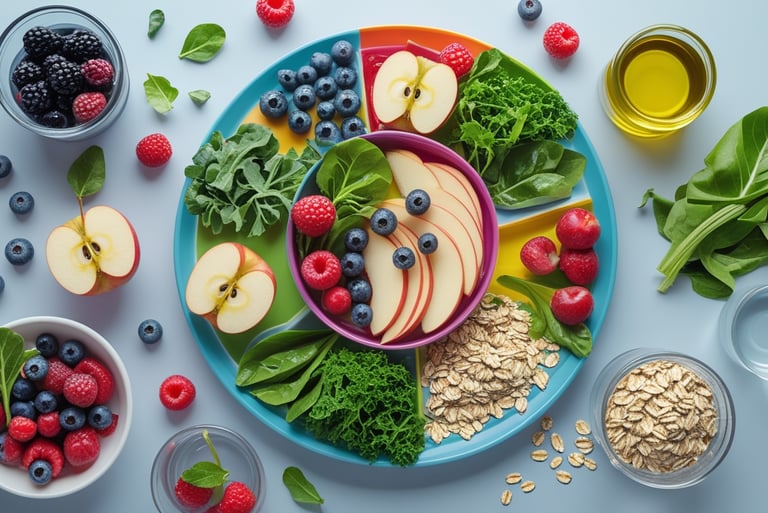
Include:- Berries, Apples, Cauliflower, Garlic, Fish, Olive oil, Whole grains, Leafy greens
6. Avoid Smoking and Alcohol
Both stress the kidneys and reduce blood flow.
7. Exercise Regularly
A 30-minute walk daily supports overall kidney health.
8. Limit Painkillers
Use them only when needed and under medical advice.
9. Get Regular Kidney Checkups
A simple blood test (creatinine) and urine test can detect early kidney damage.


7. Best Foods for Healthy Kidneys for All Age Groups
Kidney-friendly foods support people from childhood to old age.
Children :- # Milk (in moderation) # Bananas # Berries # Carrots # Eggs.
These support healthy growth and hydration.
Teens:- # Apples # Nuts (in small amounts) # Leafy green # Oats
Good for energy and hormonal balance.
Adults:- # Whole grains # Almond milk # Fresh vegetables # Beans
Helps manage stress and lifestyle diseases.
Seniors:- # Berries # Low-salt soups # Olive oil # Light fruits like papaya and watermelon
Supports digestion and reduces kidney load.
8. What to Avoid for Kidney Health
To keep your kidneys safe, limit or avoid:
# Very salty foods # Sugary drinks # Deep-fried items # Alcohol # Smoking # Excessive red meat # Processed snacks # Artificial sweeteners
# Excess coffee
These foods and habits increase pressure on the kidneys.
9. Why Early Kidney Care Matters
Kidney disease is often called a “silent killer” because symptoms appear late. When people ignore early signs, the kidneys become permanently damaged. Early care: - # Reduces the risk of kidney failure # Protects the heart # Boosts energy and immunity # Supports long life
# Improves digestion and mental clarity
Taking care of your kidneys is like keeping the engine of your body clean and strong.
10. Final Message
The kidneys may be small, but the work they do is powerful. They clean the blood, balance fluids, build strong bones, support the heart, and manage hormones. Protecting your kidneys is not difficult—drink water, eat fresh foods, move your body, manage blood pressure and sugar, avoid smoking, and go for regular checkups.
Good kidney care means good overall health. Whether you are young or old, strengthening your kidneys today will give you a healthier life tomorrow.