🌟 Welcome to VBR Products Hub – Your One-Stop Destination for Healthy Living & Lifestyle Essentials! 🌟

The Heart: Its Main Role, How to Strengthen It, and the Best Lifestyle for Lifelong Protection
The human heart is one of the most hardworking organs in the body. Whether a person is a man or a woman, the heart performs the same powerful job—pumping life to every cell from head to toe. It works day and night, without rest, without a break, and without complaint. Because it plays such a critical role, taking care of the heart is one of the best investments anyone can make for long-term health. This article explains, in simple English, the main role of the heart, how to give strength to it, how to protect it from psychological and emotional issues, the best foods for a healthy heart, bad foods that harm the heart, and good protein choices for people of all age groups.
HEALTH EDUCATION
Sampath
11/20/20255 min read
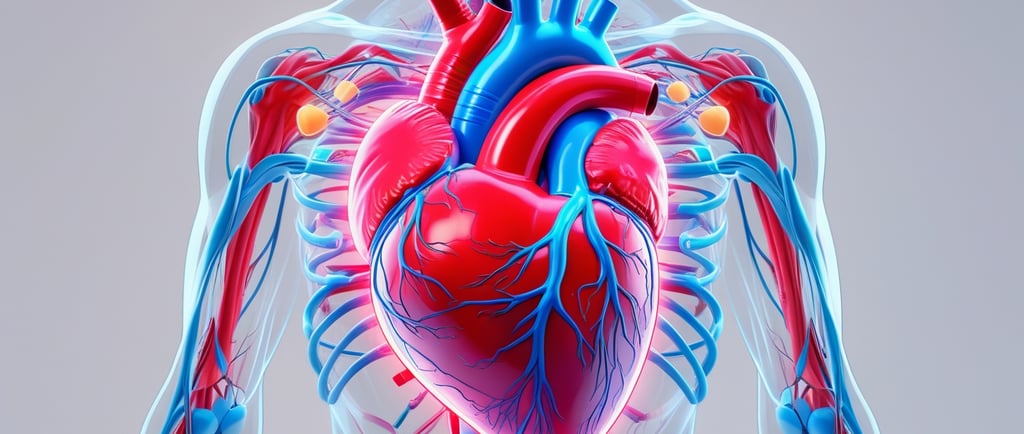
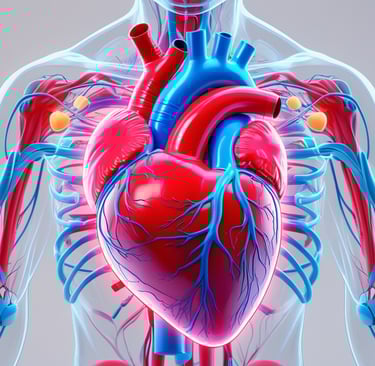
The Main Role of the Heart in the Human Body
The heart is a strong and steady muscle shaped roughly like a fist. Its main responsibility is to pump blood throughout the body. The blood carries oxygen, nutrients, vitamins, minerals, hormones, and immune cells. Without a healthy heart, no part of the body can function well.
Key Functions of the Heart
1. Pumps oxygen-rich blood
After we breathe in air, the lungs fill the blood with oxygen. The heart then pumps this oxygenated blood to the brain, muscles, bones, skin, and organs.
2. Removes waste and toxins
The heart helps transport carbon dioxide and other waste products back to the lungs and kidneys for removal.
3. Delivers nutrients
Nutrients from food—vitamins, minerals, and antioxidants—travel through the bloodstream to nourish cells.
4. Regulates temperature
Blood flow helps maintain a stable body temperature.
5. Supports the immune system
White blood cells travel through the bloodstream and help fight infections.
6. Helps hormones reach their destination
Hormones like insulin, thyroid hormones, and adrenaline travel through the bloodstream, guided by the heart’s pumping action.
Although men’s and women’s hearts are slightly different in size and rhythm, their basic role and importance are exactly the same.




How to Give Strength to the Heart
Strengthening the heart does not require expensive equipment or difficult routines. It only needs consistent, simple, and smart lifestyle choices. a. Exercise Regularly:- Movement is the heart’s best friend. Exercise strengthens the heart muscle and improves blood circulation.
Simple ways to start: 1). Brisk walking 30 minutes a day. 2). Jogging or light running.3). Cycling 4). Swimming 5). Dancing 6). Yoga or stretching
Even 20 minutes of daily movement can lower blood pressure and improve heart strength. B. Deep Breathing ExercisesDeep breathing increases oxygen levels and calms the nervous system. Do it for 5 minutes morning and evening. C. Stay HydratedWater helps blood flow smoothly. Try to drink 6–8 glasses a day. D. Maintain a Healthy Weight:- Extra body weight forces the heart to work harder. Losing even 5–10 pounds can make a big difference. E. Sleep 7–9 Hours:- Good sleep helps repair heart tissues and regulate hormones that control blood pressure and stress. F. Limit Smoking and Alcohol :- Both weaken the heart, damage arteries, and increase the risk of heart failure. G. Reduce Sitting Time:- Stay active throughout the day: 1). Take small breaks. 2). Walk after meals. 3). Stretch your body every 1–2 hours


How to Protect the Heart from Psychological Issues
The heart is not only a physical organ—it is deeply connected to emotions. Stress, anxiety, depression, and emotional pressure can affect heartbeat, rhythm, blood pressure, and overall heart function.
A. Meditation & Mindfulness:- Just 10 minutes of meditation:- Reduces stress hormones, Lowers blood pressure, Improves emotional control, Calms the heart. B. Spend Time in Nature:- Nature naturally reduces anxiety. A simple walk in fresh air helps heartbeat return to a peaceful rhythm. C. Healthy Social Connections:- Talking to loved ones, friends, or family members can protect the heart from emotional burdens. D. Practice Gratitude:- Writing down 3 positive things every day can, Improve mood, Reduce depression, Lower blood pressure E. Avoid Overthinking & Negative Media:- Overthinking increases stress hormones like cortisol. Limiting negative news and social media can protect mental health. F. Get Help When Needed:- Seeing a counselor or therapist is a sign of strength, not weakness. Emotional support can prevent long-term heart problems. G. Laugh More:- Laughter boosts blood flow, relaxes the body, and instantly reduces stress.
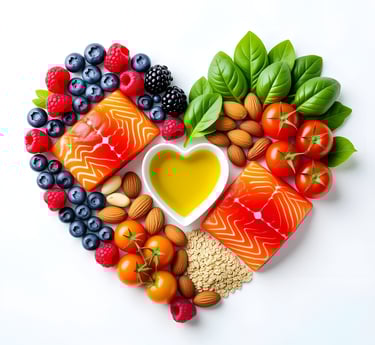
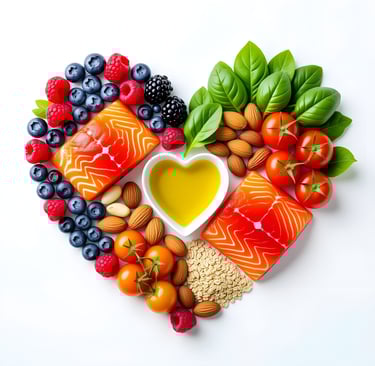
Best Diet for a Strong and Healthy Heart
Food has a direct impact on heart health. Eating the right foods can protect arteries, reduce cholesterol, control blood sugar, and help the heart function smoothly.
Heart-Healthy Foods to Include
A. Fresh Fruits & Vegetables:- They provide fiber, antioxidants, and vitamins.
Good choices:- 1. Apples. 2. Berries. 3. Oranges. 4. Grapes. 5. Leafy greens (spinach, kale). 6. Carrots
Tomatoes
B. Whole Grains:- They support digestion and reduce cholesterol.
Examples:- 1. Oats. 2. Whole wheat. 3. Brown rice. 4. Quinoa. 5. Barley.
C. Healthy Fats:- Good fats protect the heart and help maintain healthy cholesterol levels.
Healthy fat foods:- 1. Olive oil. 2. Avocados. 3. Almonds. 4. Walnuts. 5. Chia seeds. 6. Flax seeds
Fatty fish (salmon, tuna, sardines).
D. Lean Proteins:- They help repair body tissues without adding unhealthy fats.
Examples:- 1. Skinless chicken. 2. Fish. 3. Beans. 4. Lentils. 5. Eggs. 6. Tofu.
E. High-Fiber Foods:- Fiber removes excess cholesterol from the body.
Foods rich in fiber:- 1. Beans. 2. Whole fruits. 3. Vegetables. 4. Oats. 5. Chickpeas.
F. Dark Chocolate (small amounts) :- Contains heart-friendly antioxidants—but only 1–2 small squares.


Foods That Are Bad for the Heart
Some foods weaken the heart, raise cholesterol, increase blood sugar, and damage arteries.
Foods to Limit or Avoid:- A. Deep-Fried Foods, Samosas, French fries, chips, fried chicken, etc.
B. Processed Meats:- Sausages, bacon, hot dogs, and deli meats. C. Sugary Foods:- Cakes, pastries, cookies, soft drinks, candy. D. Excess Red Meat:- Beef, pork, and lamb contain high saturated fats.
E. Packaged Snacks:- Most contain preservatives, unhealthy oils, and too much salt.
F. Foods High in Trans Fat:- Found in bakery items, margarine, ready-made pastries.
G. Too Much Salt:- Can raise blood pressure and increase heart strain.
H. Excess Alcohol:- Damages heart muscles and causes irregular heartbeats.
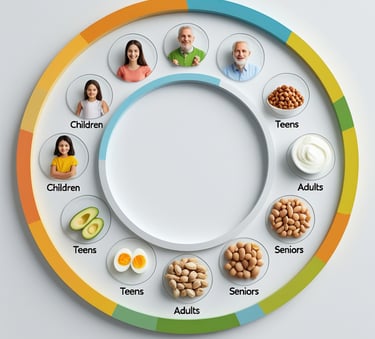
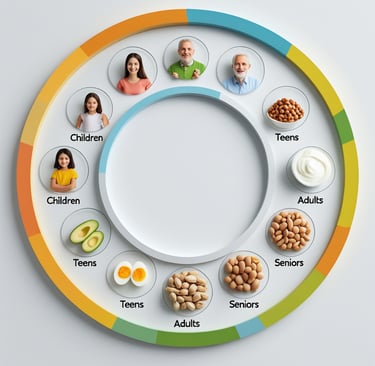
Good Protein Choices for All Age Groups
Protein is essential for growth, repair, immunity, and heart function. But the type of protein matters.
A. Children:- Children need easy-to-digest proteins for growth.
Best options:- 1). Eggs. 2). Milk and yogurt. 3). Fish. 4). Chicken. 5). Lentils. 6). Beans
B. Teens:- Teens need proteins for hormone development and muscle building.
Best options:- 1). Eggs. 2). Chicken. 3). Fish. 4). Nuts. 5). Peanut butter. 6). Cottage cheese
C. Adults:- Adults need proteins that protect muscle mass and support heart health.
Best options:- 1). Skinless poultry. 2). Salmon or tuna. 3). Beans. 4). Lentils. 5). Eggs. 6). Almonds
7). Soy products
D. Seniors:- Seniors need light, soft, easy-to-digest protein.
Best options:- 1). Eggs. 2).Greek yogurt. 3). Soft fish. 4). Lentil soup. 5). Tofu. 6). Boiled beans
Best Heart-Friendly Proteins Overall:- 1). Fish Chicken (skinless). 2). Beans and lentils. 3). Low-fat dairy. 4). Nuts and seeds. 5). Soy and tofu
Proteins to Limit
1). Red meat. 2). Processed meats. 3). High-fat dairy


Simple Daily Habits for a Long and Healthy Heart Life
These small habits make a big difference:- 1). Walk daily. 2). Drink enough water. 3). Eat more fresh food than packaged food. 4). Sleep well. 5). Practice deep breathing. 6). Stay positive. 7). Do yoga or stretching. 8). Reduce stress. 9). Maintain a healthy weight. 10). Visit a doctor for yearly checkups.
Conclusion
The heart is the strongest yet most sensitive organ in the human body. It keeps us alive by pumping blood, carrying oxygen, and supporting every system. To protect it, we must choose healthy habits—good food, regular exercise, emotional balance, enough sleep, and positive thinking. With small daily steps, anyone can build a stronger heart, live longer, and enjoy life with energy and peace.