🌟 Welcome to VBR Products Hub – Your One-Stop Destination for Healthy Living & Lifestyle Essentials! 🌟

Nerves and Blood Vessels: A Complete Simple Guide to Their Functions, Uses, and Benefits for the Human Body
Understanding Nerves and Blood Vessels: How They Work, Why They Matter, and Their Amazing Health Benefits
HUMAN ANATOMY & HEALTH EDUCATION
Sampath
11/23/20254 min read
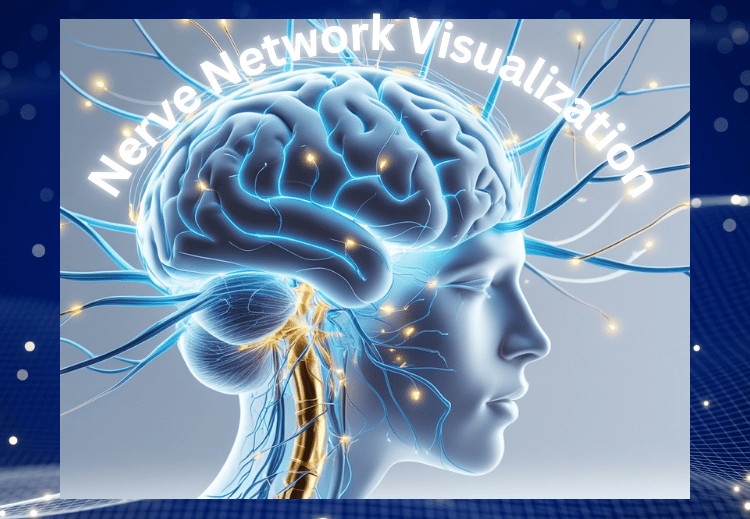

Introduction: The Body’s Amazing Inner Network
Introduction: The Body’s Amazing Inner Network
The human body works like a modern city.
Just as a city needs electricity, water pipes, communication lines, and roads, our body needs strong internal systems to stay alive. Two of the most important systems inside us are:-
Nerves
Blood Vessels
These systems work together every second to help us breathe, move, think, speak, feel, and live a healthy life.
This article explains what nerves and blood vessels are, how they work, and why they are essential to a healthy human body.
1. Understanding Nerves: The Body’s Electrical Communication System
What Are Nerves?
Nerves are thin, thread-like structures made of special cells called neurons.
They form the nervous system, which is the fastest communication system in the body.
They carry electrical signals between the brain, spinal cord, and every part of the body.
Simple Definition:
Nerves are the body’s wiring system that helps you feel, move, and react.
Types of Nerves
Nerves are mainly of three types:-1. Sensory Nerves, Carry messages from the body to the brain. Example: - When you touch a hot object, sensory nerves send a signal to your brain saying “HOT!”.2. Motor Nerves, Carry messages from the brain to the muscles. Example: When you decide to walk, motor nerves tell your legs to move. 3. Autonomic Nerves, Control automatic functions. Example: heartbeat, digestion, breathing, sweating. You don’t have to think about these actions; nerves do the job automatically.
Main Functions of Nerves
1. Movement
Nerves tell your muscles how and when to move.
Every step, every blink, every finger movement happens because nerves give instructions.
2. Sensation
Nerves allow you to feel:-
# Pain # Temperature (hot/cold) # Touch # Pressure # Vibration # Itching # Without nerves, you could not sense danger or protect yourself.
3. Thinking and Memory
All thoughts, learning, and memories are created by electrical signals inside the nervous system.
4. Heartbeat and Breathing Control
Your brain uses autonomic nerves to keep:
# Your heart beating at the right speed # Your lungs breathing smoothly # Even when you sleep, nerves continue working.
5. Keeping Balance
Nerves in the inner ear help you stand straight and keep your balance.
6. Communicating Emotions
Nerves create emotional responses like happiness, stress, fear, calmness, excitement, and love.
Benefits of Healthy Nerves
Better movement and coordination
# Clear thinking and strong memory # Faster reaction time # Good sleep cycles # Stable heartbeat and blood pressure.
# Healthy digestion # Reduced risk of numbness or nerve pain # More energy and better mood.
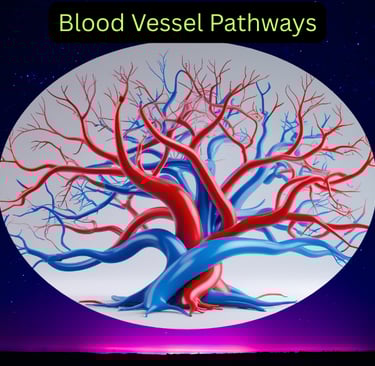
Understanding Blood Vessels: The Life-Carrying Pipes of the Body
What Are Blood Vessels?
Blood vessels are long, tube-like pathways that carry blood throughout the body.
They are part of the circulatory system and transport:
= # Oxygen # Nutrients # Hormones # Waste products # Immune cells. # =
Simple Definition:
Blood vessels are the body’s transport highways that carry life-giving blood everywhere.
Types of Blood Vessels
1. Arteries
= # Carry oxygen-rich blood away from the heart # Strong and thick # Example: The aorta (biggest artery) # =
2. Veins
= #Carry oxygen-poor blood back to the heart # Have valves to prevent blood from flowing backward # Example: Veins in hands and legs # =
3. Capillaries
= # Very tiny blood vessels # Connect arteries and veins # Exchange oxygen and nutrients with cells # =
Main Functions of Blood Vessels
1. Delivering Oxygen
Every cell in your body needs oxygen to survive.
Blood vessels carry oxygen from the lungs to all cells.
2. Transporting Nutrients
Food gets digested in the stomach, and blood vessels carry the nutrients to every organ.
3. Removing Waste
Blood vessels take away:- 1. Carbon dioxide. 2. Toxins. 3. Other waste materials.
And deliver them to organs like the kidneys and lungs for removal.
4. Healing Wounds
Blood vessels send platelets and clotting factors to close cuts and injuries.
5. Temperature Control
Blood vessels expand to cool the body and shrink to conserve heart.
6. Supporting the Immune System
White blood cells travel through blood vessels to fight infections.
7. Hormone Distribution
Hormones produced by organs travel through blood vessels to reach target areas.
Benefits of Healthy Blood Vessels
= # Stronger heart # Better brain function # Clear, glowing skin # Faster healing # Healthy digestion # Reduced risk of stroke, heart attack, and varicose veins # Better energy levels and stamina # =
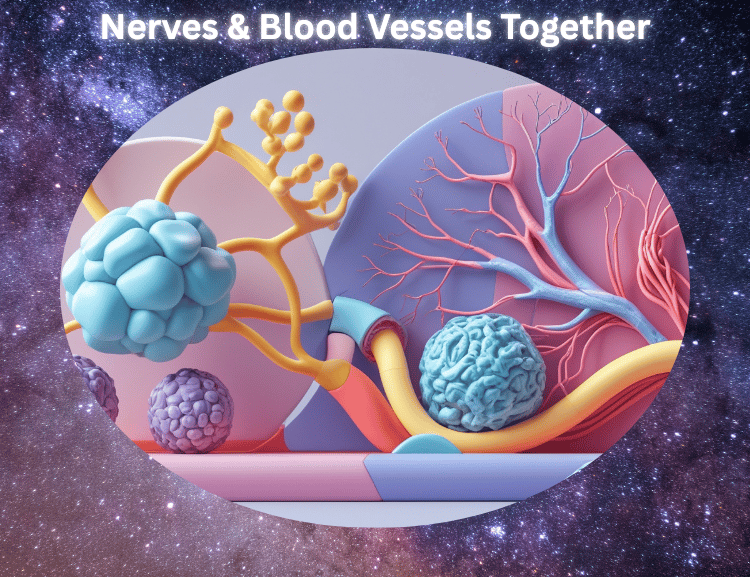
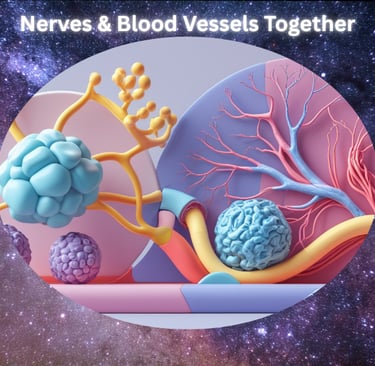
How Nerves and Blood Vessels Work Together
Nerves and blood vessels are partners.
1. Nerves Control Blood Vessel Size
Nerves tell blood vessels when to widen or tighten.
2. Blood Vessels Supply Nerves With Oxygen
Nerves need a steady blood supply to stay alive.
3. Together They Maintain Body Temperature
Example:
= # When you’re hot → nerves tell vessels to widen. # When you’re cold → nerves tell vessels to shrink.
4. They Help in Movement
Muscles move only when: # Motor nerves send signals # Blood vessels provide oxygen to muscles
5. They Support Brain Function
= # The brain controls nerves # Blood vessels supply oxygen to the brain, If either system is damaged, the whole body suffers.
Common Problems Affecting Nerves and Blood Vessels
Nerve Problems:- 1. Numbness. 2. Burning pain.3. Weakness. 4. Paralysis. 5.Memory loss. 6. Anxiety or depression.
Blood Vessel Problems:- 1. High blood pressure. 2. Varicose veins. 3. Stroke.
4.Heart attack. 5. Poor circulation.
These problems often happen due to:- 1. Stress.2. Lack of exercise. 3. Unhealthy food. 4. High sugar levels. 5. Smoking or alcohol. 6. Obesity. 7. Aging