🌟 Welcome to VBR Products Hub – Your One-Stop Destination for Healthy Living & Lifestyle Essentials! 🌟

“Boost Your Brain Power: The Ultimate Guide to Nutrition, Rest and Function for Men and Women
The Human Brain: Its Functions, Nutritional Needs, and the Power of Rest The human brain is one of nature’s most astonishing creations — a three-pound organ that defines who we are. It governs every movement, thought, and emotion; it remembers our past, shapes our future, and allows us to imagine things that never existed before. Despite its small size compared to the rest of the body, the brain consumes about 20% of our total energy. It is, without doubt, the control center of human life.
HEALTHY MIND
sampath
10/30/20255 min read
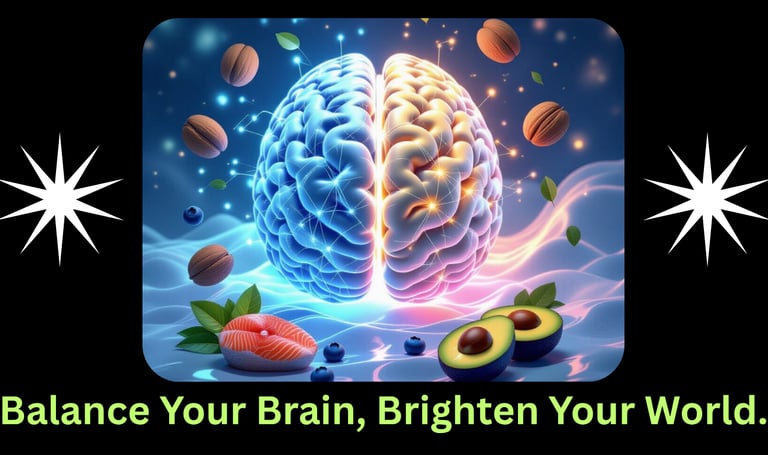
Feed Your Brain Right: The Ultimate Guide to Nutrition and Rest for Mental Strength
The Marvel of the Human Brain
The brain is made up of billions of neurons — specialized cells that communicate through electrical and chemical signals. These neurons form intricate networks responsible for everything from breathing and heartbeat regulation to complex creativity.
Cerebrum: The largest part of the brain, divided into two hemispheres, controls higher thinking, language, emotions, and voluntary movements.
Cerebellum: Located at the back of the skull, it coordinates balance, posture, and fine motor skills.
Brainstem: The link between the brain and spinal cord, it regulates essential functions like heart rate, breathing, and sleep.
Every sensation, idea, and decision passes through this intricate system. However, for the brain to perform at its peak, it requires proper care, nourishment, and sufficient rest.
Men and Women: Subtle Brain Differences
Although the brains of men and women are more alike than different, science has identified some fascinating distinctions that influence behavior and thought patterns.
Size and Connectivity: Men generally have slightly larger brains in volume, but women often have denser connections between the two hemispheres (the corpus callosum), allowing better communication between analytical and emotional centers.
Memory and Emotion: Women tend to have stronger verbal memory and emotional processing skills, linked to higher activity in the hippocampus and prefrontal regions.
Spatial and Motor Skills: Men often excel in spatial navigation and motor coordination, possibly due to structural differences in the parietal cortex.
Stress Response: Under stress, men’s brains release more cortisol and tend to respond with fight-or-flight instincts, whereas women produce more oxytocin, encouraging empathy and social bonding.
These differences highlight how both male and female brains are uniquely designed to complement each other. What truly matters, however, is how we nurture and support the brain to function at its best, regardless of gender.
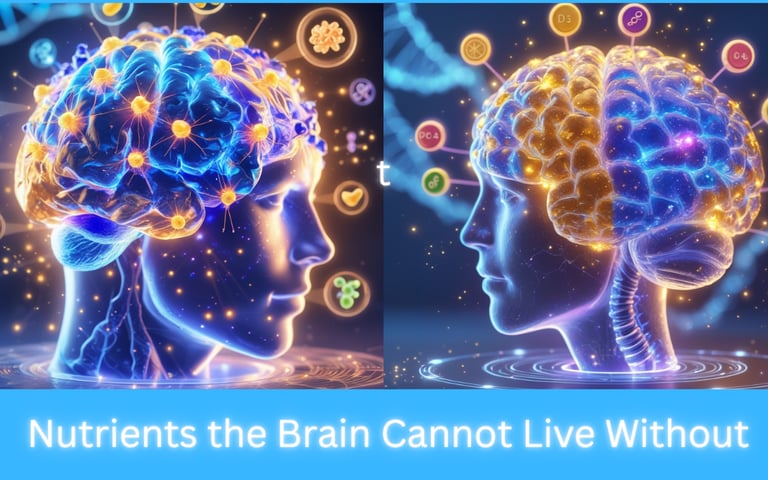
Nutrients the Brain Cannot Live Without
The brain is constantly active, even while we sleep. To fuel this continuous activity, it needs a steady supply of specific nutrients. A deficiency in these can affect mood, focus, and memory.
a. Omega-3 Fatty Acids
Omega-3s, especially DHA (docosahexaenoic acid), are essential for building brain cell membranes and promoting communication between neurons. They reduce inflammation and support cognitive function.
Best sources: Fatty fish (salmon, sardines, mackerel), flaxseeds, chia seeds, and walnuts.
b. Antioxidants
The brain is prone to oxidative stress due to its high oxygen usage. Antioxidants neutralize harmful free radicals, protecting brain cells.
Best sources: Blueberries, strawberries, dark chocolate, spinach, kale, and green tea.
c. B-Vitamins
B-vitamins, particularly B6, B12, and folate, are crucial for neurotransmitter production and maintaining healthy nerve cells. Deficiency may lead to fatigue, irritability, or cognitive decline.
Best sources: Whole grains, eggs, lean meats, legumes, and leafy greens.
d. Vitamin D
Vitamin D receptors are found throughout the brain and influence mood regulation. Low levels are linked to depression and reduced cognitive performance.
Best sources: Sunlight exposure, fortified milk, mushrooms, and oily fish.
e. Iron, Zinc, and Magnesium
These minerals are involved in oxygen transport, neurotransmitter regulation, and energy metabolism. Magnesium, in particular, calms the nervous system and improves sleep quality.
Best sources: Pumpkin seeds, lentils, almonds, and dark leafy greens.
f. Glucose (from Complex Carbohydrates)
The brain uses glucose as its primary energy source. However, refined sugars cause spikes and crashes, leading to fatigue and irritability.
Best sources: Whole grains, oats, brown rice, fruits, and sweet potatoes.
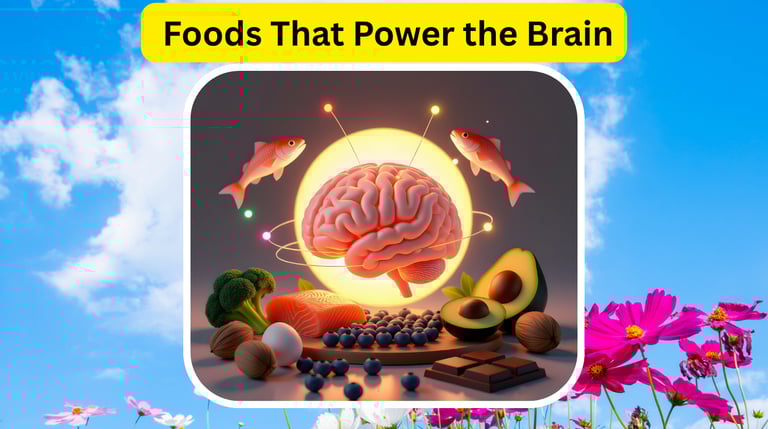
Foods That Power the Brain
Combining these nutrients through a balanced diet ensures the brain performs efficiently. Here are some brain-friendly foods worth adding to your daily meals:
Blueberries: Improve memory and delay age-related cognitive decline.
Broccoli: Rich in antioxidants and vitamin K, which enhance brainpower.
Eggs: Contain choline, essential for neurotransmitter synthesis and memory function.
Turmeric: Contains curcumin, which boosts mood and supports brain cell growth.
Coffee: In moderation, it improves alertness and concentration through caffeine and antioxidants.
Avocados: Provide healthy monounsaturated fats that support blood flow to the brain.
Dark Chocolate: Stimulates endorphin release and enhances mood.
For men, foods rich in zinc and omega-3s help with focus and stamina, while women benefit from foods containing iron, folate, and antioxidants to support hormonal balance and cognitive sharpness.
The Importance of Rest and Sleep
While nutrition fuels the brain, rest recharges it. Sleep is not just a passive state of rest; it’s a period of intense brain activity where essential maintenance takes place.
During sleep:
The brain consolidates memories and processes emotions.
The glymphatic system clears out toxins, including beta-amyloid proteins linked to Alzheimer’s disease.
Neuronal connections are strengthened, improving creativity and learning.
Adults generally need 7–9 hours of quality sleep every night.
Lack of rest can lead to poor decision-making, anxiety, mood swings, and impaired judgment. Chronic sleep deprivation also increases the risk of hypertension, diabetes, and cognitive decline.
To promote better sleep:
Maintain a consistent sleep schedule.
Avoid caffeine or heavy meals close to bedtime.
Keep your room dark, quiet, and cool.
Limit screen time an hour before sleeping.
Rest also includes mental downtime — activities like meditation, walking in nature, or deep breathing. These moments of stillness reduce stress hormones and improve overall brain efficiency.
The Brain and Lifestyle Balance
A well-nourished brain also thrives on an active lifestyle and emotional well-being. Here’s how to maintain a balance.
Exercise regularly: Physical activity boosts blood flow and releases endorphins, which enhance mood and cognition.
Stay socially connected: Engaging in meaningful relationships keeps emotional centers active and wards off loneliness.
Challenge your mind: Reading, solving puzzles, or learning a new skill strengthens neural pathways and keeps the brain young.
Manage stress: Chronic stress damages neurons and shrinks the hippocampus — the memory center. Practice mindfulness and relaxation techniques to counter this
The Lifelong Care of the Brain
The brain evolves throughout life. From a child’s rapid development to an adult’s learning experiences and an elder’s wisdom, every stage requires consistent care. Aging naturally slows down neural processing, but a good diet, regular exercise, and mental engagement can delay this decline.
Modern research shows that neuroplasticity — the brain’s ability to reorganize and form new connections — continues even in old age. This means it’s never too late to start taking care of your brain.
Conclusion
The human brain — whether male or female — is a masterpiece of divine and biological intelligence. It demands respect, nourishment, and care. Feeding it with the right nutrients, giving it adequate rest, and stimulating it with knowledge and creativity are not luxuries but necessities.
When we nourish our brains well, we think clearly, feel deeply, and live purposefully. As the saying goes, “The mind is a garden; whatever you plant will grow.”
Feed it with healthy food, positive thoughts, and peaceful rest — and it will reward you with a life full of clarity, wisdom, and vitality