🌟 Welcome to VBR Products Hub – Your One-Stop Destination for Healthy Living & Lifestyle Essentials! 🌟

✨ The Ultimate Guide to Healthy Skin: Problems, Care, and Diet for a Young, Glowing Look
Your skin is the largest organ of your body. It protects you, reflects your lifestyle, and plays a strong role in your confidence. When your skin looks fresh, bright, and healthy, you naturally feel better about yourself. Today, many people face different kinds of skin problems because of stress, pollution, poor diet, and wrong lifestyle habits. However, caring for your skin is not difficult if you understand what your skin needs. This article will take you through the major skin problems, easy skin-care steps, skin health essentials, and the best foods and diet to stay glowing and younger-looking forever. Blog post description.
SKIN CARE & HEALTH • BEAUTY & DIET
Sampath
11/27/20255 min read


Natural Skin Glow with Fruits and Hydration
Understanding Skin Problems
Skin problems are common and occur due to many reasons like hormones, environmental changes, stress, or food habits. Here are the most common skin issues:
1. Acne
Acne appears when oil, dead skin cells, and bacteria block the pores. Teenagers commonly face acne, but adults can get it too due to stress, hormones, dirty makeup tools, and oily foods. Acne may leave marks and scars if not treated properly.
2. Dry Skin
Dry skin happens when the body does not produce enough oil. It feels rough, flaky, and itchy. This is common in winter and in people who do not drink enough water or use harsh soaps.
3. Oily Skin
This skin type produces excess oil, making the face appear shiny. Oily skin often leads to clogged pores and pimples. It requires regular cleaning and oil-free products.
4. Pigmentation
Pigmentation causes dark patches on the skin. Sun exposure, hormonal changes, pregnancy, and aging are major reasons for pigmentation.
5. Wrinkles and Fine Lines
As we age, the skin loses collagen, making it less elastic. This leads to wrinkles and sagging skin. Pollution, too much sun exposure, and smoking can make skin age faster.
6. Skin Allergies
Some people develop rashes, redness, or itching when the skin reacts to chemicals, perfumes, or certain foods.
7. Dark Circles
Lack of sleep, dehydration, stress, and genetics can lead to dark circles under the eyes.
Understanding your skin problem is the first step to solving it. Once you know the cause, you can take smart steps to improve your skin.
Understanding Skin Problems
Skin problems are common and occur due to many reasons like hormones, environmental changes, stress, or food habits. Here are the most common skin issues:
1. Acne
Acne appears when oil, dead skin cells, and bacteria block the pores. Teenagers commonly face acne, but adults can get it too due to stress, hormones, dirty makeup tools, and oily foods. Acne may leave marks and scars if not treated properly.
2. Dry Skin
Dry skin happens when the body does not produce enough oil. It feels rough, flaky, and itchy. This is common in winter and in people who do not drink enough water or use harsh soaps.
3. Oily Skin
This skin type produces excess oil, making the face appear shiny. Oily skin often leads to clogged pores and pimples. It requires regular cleaning and oil-free products.
4. Pigmentation
Pigmentation causes dark patches on the skin. Sun exposure, hormonal changes, pregnancy, and aging are major reasons for pigmentation.
5. Wrinkles and Fine Lines
As we age, the skin loses collagen, making it less elastic. This leads to wrinkles and sagging skin. Pollution, too much sun exposure, and smoking can make skin age faster.
6. Skin Allergies
Some people develop rashes, redness, or itching when the skin reacts to chemicals, perfumes, or certain foods.
7. Dark Circles
Lack of sleep, dehydration, stress, and genetics can lead to dark circles under the eyes.
Understanding your skin problem is the first step to solving it. Once you know the cause, you can take smart steps to improve your skin.
Skin Care: The Simple Routine That Works for Everyone
A proper skin-care routine helps you protect your skin from damage, delay aging, and maintain a natural glow. You do not need expensive products; consistency is the secret.
Step 1: Cleansing
Wash your face twice a day with a gentle cleanser. This removes dirt, oil, pollution, and bacteria from the skin. Avoid strong soaps that damage your skin’s natural oil.
Step 2: Exfoliation
Use a mild scrub once or twice a week to remove dead skin cells. This helps new skin grow and keeps your skin smooth. Over-exfoliating can damage skin, so do it gently.
Step 3: Moisturizing
Never skip moisturizing. It locks water inside your skin, prevents dryness, and protects the skin barrier. Choose water-based moisturizers for oily skin and creamy moisturizers for dry skin.
Step 4: Sunscreen
Sunscreen is the most important skin protection product. Apply SPF 30 or above every morning, even if you are indoors. UV rays enter through windows and cause wrinkles, pigmentation, and sagging skin.
Step 5: Night Care
Nighttime skin repair happens while you sleep. Clean your face, moisturize, and apply serums with ingredients like Vitamin C or retinol to reduce aging signs.
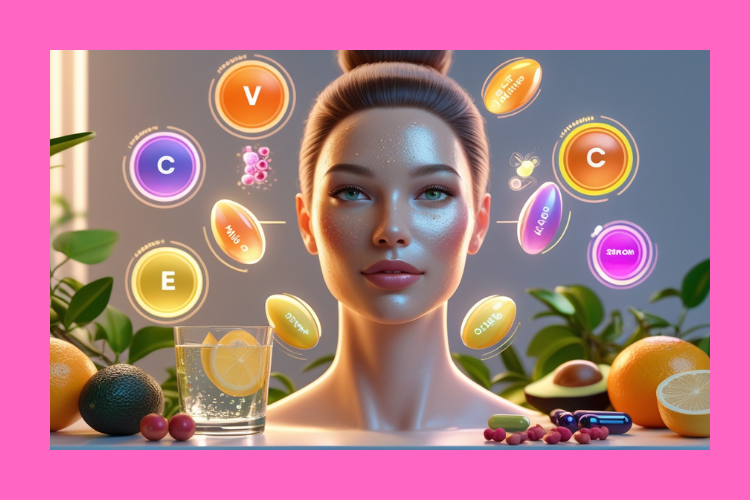


Vitamins and Minerals for Healthy, Glowing Skin
Your skin needs nutrients like any other part of your body. Without the right vitamins and minerals, your skin cannot repair itself or stay bright and youthful.
Vitamin A
Helps repair skin and reduce wrinkles. Foods rich in Vitamin A:-
Carrot
Spinach
Sweet potatoes
Pumpkin
Vitamin C
Brightens skin, removes dark spots, and builds collagen. Found in:
Oranges
Lemon
Kiwi
Strawberries
Papaya
Vitamin E
Protects skin from pollution and maintains moisture. Found in:
Almonds
Avocado
Sunflower seeds
Olive oil
Vitamin D
Supports skin cell growth. Sunlight provides Vitamin D, but avoid too much exposure. Also found in:
Mushrooms
Eggs
Fortified milk
Omega-3 Fatty Acids
Keep skin soft and reduce inflammation. Found in:
Mushrooms
Eggs
Fortified milk
Zinc
Heals wounds and controls acne. Found in:
Peanuts
Chickpeas
Pumpkin seeds
A diet rich in these nutrients ensures youthful, healthy, and glowing skin.
Right Diet for Shining Skin and Younger Look
Food is the best medicine for your skin. What you eat appears on your face. A balanced diet helps your body filter toxins, repair damaged skin, and keep your face bright.
Foods to Eat Daily
Category Foods.
Fruits
Papaya, berries, oranges, grapefruit, apple
Vegetables
Spinach, broccoli, carrots, beetroot
Healthy Fats
Olives, nuts, seeds, avocados
Proteins
Eggs, tofu, lentils, fish
Hydration
Coconut water, plain water, herbal teas
Foods to Avoid
Avoid Category, Reason:
Sugary snacks
Cause pimples and dull skin
Fried foods
Increase oil and acne problems
Soda and alcohol
Dehydrate skin
Processed foods
Slow digestion and damage skin cells
Habits That Keep Your Skin Forever Young
✔ Drink 8–10 glasses of water daily
✔ Sleep 7–8 hours every night
✔ Wash pillow covers weekly
✔ Reduce stress through walking, yoga, or hobbies
✔ Avoid smoking and limit caffeine
✔ Never sleep with makeup on
Good habits protect your skin more than any beauty product.
Final Thoughts
Your skin is a mirror of your lifestyle. If you take care of your diet, protect your skin from sunlight, hydrate well, and stay stress-free, your skin will reward you with a natural glow. You don’t need magical products; you need smart habits and consistency.
A bright, youthful, and attractive face is not a dream—it is a result of daily care. Start today, and in a few weeks, you will see the difference. Healthy skin makes you energetic, confident, and ready to face the world with a smile.