🌟 Welcome to VBR Products Hub – Your One-Stop Destination for Healthy Living & Lifestyle Essentials! 🌟

🌿 Gut Health Secrets: A Simple Complete Guide for All Age Groups (Ultimate SEO Wellness Guide)
A healthy gut is the foundation of a strong body and a peaceful mind. The gut is not only responsible for digesting food—it also protects the immune system, balances hormones, produces energy, supports mental health, and keeps you active throughout life. When your gut works well, you feel light, strong, and emotionally stable. When it doesn’t, many problems begin silently—gas, bloating, constipation, tiredness, skin issues, anxiety, weight gain, and low immunity. This article gives a simple and complete guide to Gut Health & Gut Care for all age groups, explaining how your gut functions, common problems, best foods, and daily habits for a healthy digestive system.
NUTRITION & LIFESTYLE
Sampath
11/25/20254 min read
Introduction: Why Your Gut Health Matters More Than You Think
1. What Is Gut Health?
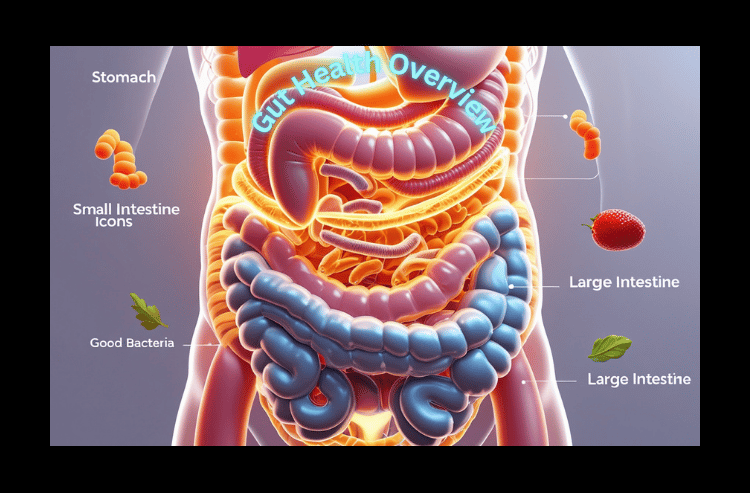
Gut health means the balance of good bacteria, proper digestion, and smooth functioning of your stomach, small intestine, and large intestine. Inside your gut, around 100 trillion good bacteria live and work every minute. They help break down food, extract nutrients, fight infections, and even improve mood.
When the gut bacteria are balanced, it is called “Gut Harmony.” When bad bacteria increase due to poor diet, stress, or infections, it leads to “Gut Imbalance.”
2. Why Gut Health Is Important for All Age Groups
(a) Babies and Children
A healthy gut helps children: 1. Grow properly. 2. Build strong immunity. 3. Improve brain development. 4. Avoid constipation and stomach infections.
Children with healthy guts often perform better in studies and sports.
(b) Teenagers and Young Adults
Teenagers need a strong gut because. 1. It controls hormones. 2. Reduces acne and skin problems. 3. Supports energy for studies and workouts.
Helps fight stress and anxiety.
(C) Adults
Adults with good gut health enjoy 1. Better digestion. 2. Strong metabolic rate. 3. Healthy weight. 4. Less stress. 5. Better sleep.
(D) Elderly (Seniors)
For older people, gut health is essential to: 1. Prevent constipation. 2. Improve nutrient absorption. 3. Avoid weakness. 4. Keep immunity strong
5.Maintain mental clarity
Common Gut Problems
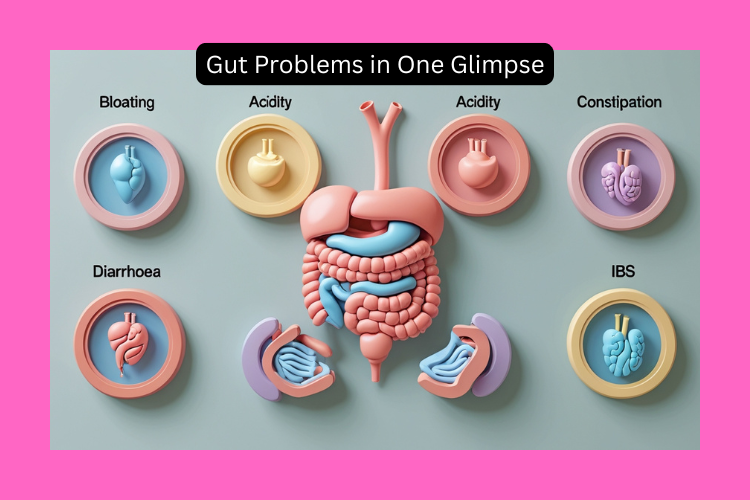
Gut problems can affect anyone at any age. Some common issues include:
1. Bloating - Too much gas formation due to improper digestion. 2 . Constipation - Difficulty passing stools caused by low fiber or dehydration. 3. Acid Reflux / Acidity- Burning sensation due to excessive stomach acid. 4. Diarrhea - Loose stools from infections or food intolerance. 5. IBS (Irritable Bowel Syndrome)- Cramping, bloating, irregular bowel movements due to stress or gut imbalance. 6. Food Allergies- When the body reacts to foods like dairy, gluten, peanuts, or seafood. 7. Leaky Gut - Tiny gaps in the intestine allow toxins to enter the blood, leading to inflammation, headaches, and tiredness.
4. Causes of Poor Gut Health
The major reasons for gut problems include: 1. Eating too much junk food. 2. Lack of fiber. 3. Less water intake. 4. Eating quickly. 5. Stress and anxiety. 6. Lack of physical activity. 7. Excessive antibiotics. 8. Low sleep quality. 9. Drinking alcohol or smoking.
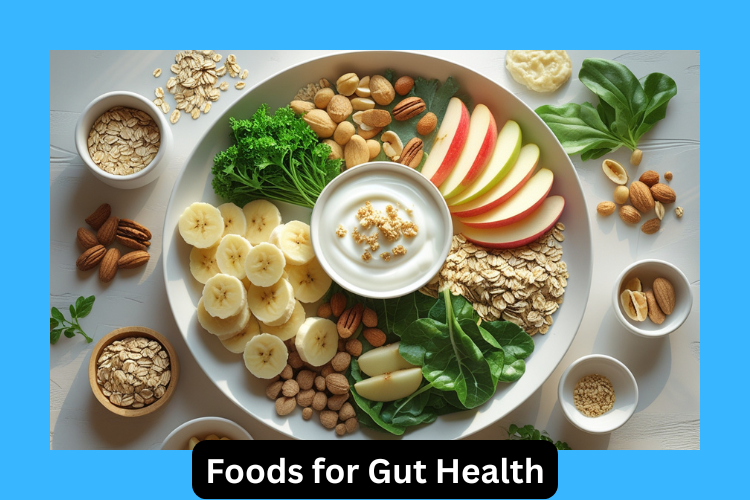

Superfoods for Gut Health (For All Ages)
1. Yogurt / Curd :- Rich in probiotics that build good bacteria.
2. Bananas:- Gentle on the stomach and restores electrolytes.
3. Oats:- Excellent fiber for digestion.
4. Apples:- Contain pectin, a gut-friendly fiber.
5. Ginger:- Reduces gas, bloating, and nausea.
6. Leafy Greens:- Spinach and kale strengthen gut walls.
7. Garlic:- Natural antibacterial that boosts good bacteria.
8. Whole Grains:- Improves bowel movements and metabolism.
9. Fermented Foods:- Idly, dose batter, kimchi, kombucha, pickles.
10. Water:- The best natural cleanser to keep digestion smooth.

6. Best Gut Care Tips for All Age Groups
💚 1. Eat Slowly
Chewing well makes digestion easy and reduces gas.
💚 2. Add More Fiber
Include fruits, vegetables, nuts, and whole grains.
💚 3. Reduce Junk and Oily Foods
They destroy good bacteria.
💚 4. Drink Enough Water
Helps prevent constipation.
💚 5. Sleep 7–8 Hours Daily
Poor sleep harms digestion and increases stress hormones.
💚 6. Walk After Meals
A 10-minute walk helps digestion and reduces bloating.
💚 7. Manage Stress
Meditation, deep breathing, hobbies, nature walks.
💚 8. Avoid Overuse of Medicines
Especially antibiotics, unless advised by a doctor.
💚 9. Eat at Regular Times
Fixing meal timing improves gut rhythm.
💚 10. Include Probiotics Daily
Curd, buttermilk, fermented foods keep your gut strong.
7. Gut Health for Babies & Kids (Special Care)
Give warm water throughout the day
Avoid packaged snacks
Add curd rice, bananas, lentil
Give home-cooked meal.
Encourage playtime to stay active
Limit sweets and sugary drinks
Good gut health in childhood builds a strong foundation for lifelong well-being.
8. Gut Health for Teenagers
Teenagers should avoid:-1.Too many fast foods. 2. Excess sugar. 3. Energy drinks. 4.Late-night meals.
They must include:- 1. Fresh fruits. 2. Healthy snacks.3. Nuts and seeds. 4. Homemade meals
A healthy gut supports good skin, balanced hormones, and strong immunity.
9. Gut Health for Adults
Adults must focus on:- 1. Low-fat diet. 2. High fiber meals. 3. Less stress. 4. Regular exercise
5. High probiotic intake
Staying hydrated and reducing alcohol intake is important for digestive health.
10. Gut Health for Seniors
Seniors should:- 1. Eat soft, high-fiber foods.2. Drink warm water. 3. Take probiotics. 4. Walk daily. 5. Avoid spicy foods. 6. Eat small meals frequently.
This helps reduce constipation, bloating, and weakness.
11. When to See a Doctor?
You must seek medical advice if you notice:- 1. Sudden weight loss. 2. Blood in stools. 3. Persistent acidity. 4. Severe stomach pain.
5. Frequent diarrhea. 6. Food intolerances. 7. Chronic constipation.
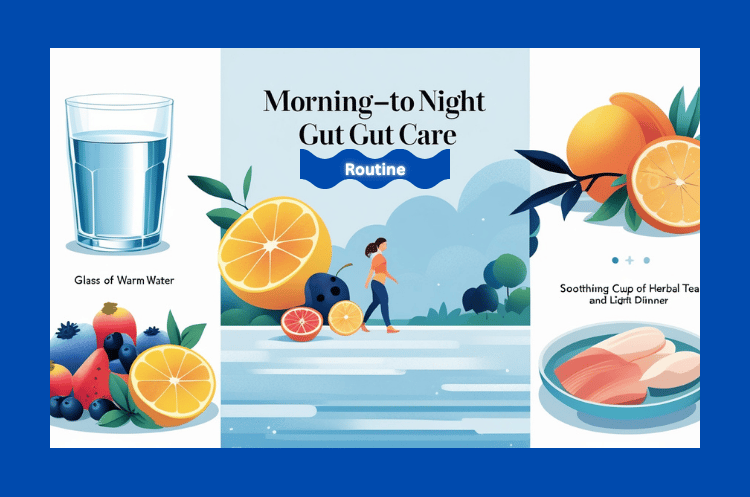

12. Best Daily Gut Routine (For All Ages)
Morning
Drink warm water
Have fruits or soaked nuts
Light breakfast with fiber
Afternoon
Balanced lunch
Walk for 10 minutes
Evening
Fruit or protein snack
Herbal tea
Night
Light dinner before 8 PM
No heavy fried foods
Sleep early
13. The Mind–Gut Connection (Very Important)
Your gut produces 90% of serotonin, the happiness hormone. This means:
When your gut is healthy → your mood becomes positive
When your gut is disturbed → you feel stressed, anxious, or low
Meditation, yoga, calm music, and positive thinking help strengthen gut health.
Conclusion: Your Gut Is Your Second Brain—Take Care of It Daily
A healthy gut leads to a strong body and peaceful mind. For all age groups—children, teenagers, adults, and seniors—gut care must be a daily routine. With the right foods, good habits, proper sleep, and stress management, your digestive system stays balanced and powerful. Remember, your gut is the root of your overall health. When it stays right, everything in life becomes smoother, lighter, and happier.